Building the right team for a renewable energy project’s construction and commissioning phase is essential for safe, on-time, and compliant asset delivery. Success depends on assembling specialized, cross-functional experts who can manage complexity, technical requirements, fast-paced schedules, and stakeholder coordination from groundbreaking to operational start. In this guide, we break down the structure, roles, hiring strategies, and best practices for creating effective project teams in the renewable energy sector, with expert insights from STSI, an industry leader in technical workforce solutions for energy and infrastructure projects.
Definition: What Is a Renewable Energy Construction and Commissioning Project Team?
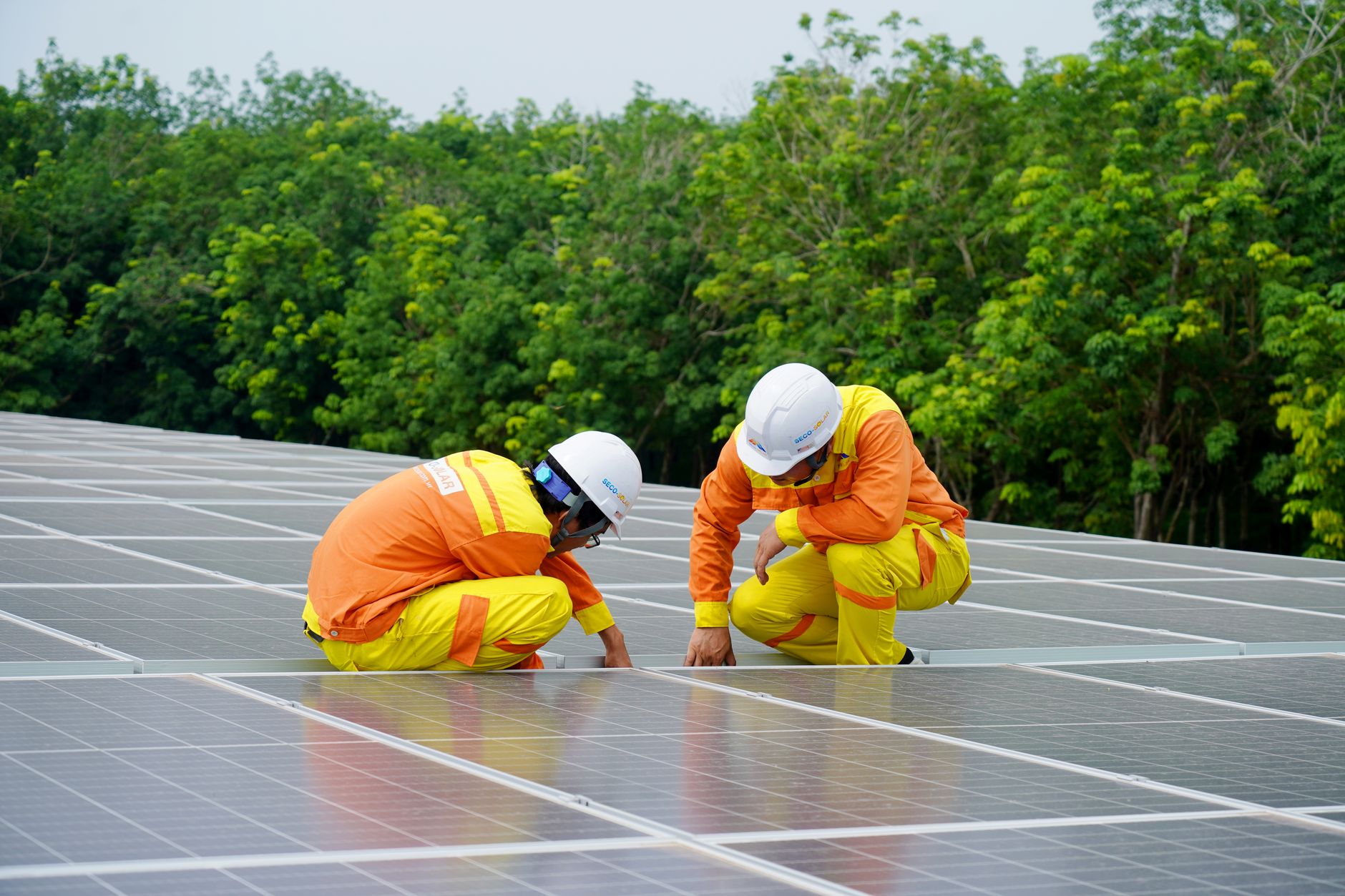
A renewable energy project team for construction and commissioning is a group of technical, managerial, and operational professionals responsible for delivering the physical build (construction) and transferring it into an operating asset (commissioning). Core team members span project management, engineering, safety, procurement, QA/QC, commissioning, and document control, each contributing their expertise at various project phases. Their unified goal is to achieve a safe, fully functional, and reliable renewable energy asset—such as a solar farm, wind park, or storage system—ready for energy production and regulatory approval.
Why Team Design Matters for Renewable Energy Construction
Unlike standard construction, renewable energy projects involve unique interconnection timelines, specialized equipment, coordination with utilities, multi-vendor logistics, and stringent compliance standards. Each phase—from site preparation and installation to final commissioning—demands technical skill and seamless collaboration. Misaligned or underqualified teams risk costly delays, rework, safety incidents, and compliance failures. As STSI has found through decades of technical staffing, precision talent alignment and proactive team structuring set top-performing renewable energy projects apart from the rest.
Core Roles for Renewable Energy Project Construction and Commissioning
Effective teams feature dedicated roles with technical, leadership, and operational responsibilities. Here’s a detailed breakdown:
1. Project Manager
- Owns the project’s scope, schedule, budget, and risk
- Coordinates contractors, engineers, owners, and utilities
- Maintains documentation, manages change orders, ensures alignment through all phases
2. Construction Manager
- Leads daily onsite execution, coordinates subcontractors and field crews
- Manages materials, safety, quality, and field plans
- Delivers projects on schedule and to scope
3. Site Superintendent
- Manages day-to-day field activity and crew productivity
- Ensures site safety, resolves on-the-spot challenges, maintains field discipline
- Coordinates sequencing and facilitates the handoff to commissioning
4. Lead Electrical Engineer
- Specializes in grid interconnection, collection systems, protection, grounding, and relays
- Reviews technical submittals, supports troubleshooting and testing, oversees energization
- Ensures compliance with NEC, NERC, and utility regulations (as required)
5. Civil/Structural Engineer
- Provides support for site grading, drainage, road access, foundations, and equipment pads
- Coordinates with geotechnical teams and oversees structural integrity
6. QA/QC Manager or Inspector
- Develops inspection and test plans
- Controls punch lists, validates turnover packages, catches issues before operational start
- Prevents costly rework
7. Commissioning Manager
- Leads asset transition from built to operational state
- Executes commissioning checklists, test plans, and energization sequences
- Coordinates with OEMs, operators, and utilities
8. Procurement and Materials Lead
- Manages supply chain for long-lead equipment and field materials
- Coordinates with vendors and field teams for just-in-time delivery
- Controls inventory and delivery alignment
9. HSE or Safety Manager
- Enforces site safety and compliance (OSHA and project-specific)
- Leads incident prevention, documentation, and field safety culture
- Ensures compliance with client, regulatory, and owner standards
10. Document Control / Project Controls Specialist
- Manages drawings, revisions, test results, and turnover documentation
- Tracks project milestones, cost changes, and closeout criteria
Step-By-Step: Building Your Team by Project Phase
Phase 1: Preconstruction and Mobilization
- Finalize scope, schedule, and procurement plans
- Staff leadership (project manager, construction manager), engineering, and supply chain leads
- Lock in schedules for major equipment and confirm interconnection requirements
- Develop commissioning and procurement plans in parallel
Phase 2: Construction Execution
- Field leadership (superintendents), QA/QC, safety, and engineering leads join the team
- Daily coordination meetings and frequent communication mitigate constraints and keep crews productive
Phase 3: Mechanical Completion and Commissioning
- Commissioning and QA/QC gain prominence as the asset nears energization
- Test plans, system checklists, and final documentation are critical
- Field issues, punch lists, and utility/OEM collaboration intensify
Phase 4: Handover to Operations
- Operations, maintenance, and asset management involvement grows
- Focus on as-builts, manuals, warranty transfers, and operational readiness
Staffing Model: Contract vs. Direct Hire
| Role | Best Staffing Model | Reason |
|---|---|---|
| Project Manager | Direct hire or long-term contract | Continuity and project ownership |
| Construction Manager | Contract or direct hire | Project schedule aligns role requirements |
| Commissioning Manager | Contract | High demand during late execution |
| QA/QC | Contract | Needed for intense build/turnover |
| Engineering Leads | Direct hire or contract-to-hire | Depends on company bench strength |
| Document/Project Controls | Contract or direct hire | Flexible to execution and closeout intensity |
Many companies benefit from a hybrid approach—core leadership on staff, specialty roles (such as commissioning) staffed on contract. STSI can help navigate optimal workforce models tailored to project phase and risk tolerance.
Seven Hiring Criteria That Matter Most
- Direct and recent experience on renewable projects (solar, wind, storage, utility upgrades)
- Experience specific to the project phase (construction, commissioning, operational handoff)
- Demonstrated safety record and OSHA/site-compliance history
- Technical depth in electrical, civil, mechanical, or controls engineering
- Strong documentation discipline with RFIs, submittals, and turnover
- Clear communicator, coordinates between contractors, engineers, and owners
- Ability to solve problems fast under pressure and changing site conditions
Common Team-Building Mistakes to Avoid
- Focusing only on onsite crew size, neglecting commissioning expertise
- Ignoring early utility coordination, leading to interconnection delays
- Insufficient QA/QC presence, causing preventable rework
- Bringing in commissioning experts too late in the process
- Inadequate document control, risking delayed turnover and payments
10-Step Framework: How to Build the Right Team
- Define project type, size, technology, and utility requirements
- Map all key milestones and deadlines
- Identify major technical and procurement risks early
- Staff core leadership (project manager, construction manager, engineering lead) first
- Add field execution roles (superintendent, QA/QC, safety, document control)
- Introduce commissioning expertise before construction peaks
- Establish reporting and communication rhythms
- Set clear turnover criteria for subsystems
- Verify vendor/supplier and candidate safety and compliance credentials
- Plan operational handoff and lessons learned sessions from the outset
How STSI Sets the Standard for Renewable Energy Staffing
STSI provides high-performance staffing solutions for every stage of renewable energy projects—construction, commissioning, engineering, QA/QC, project controls, and site leadership. Drawing from a 25-year track record in mission-critical and regulated sectors, STSI’s recruiters are OSHA-certified and operate with an industry-leading safety process, including ISNetworld RAVS® Plus evaluation, so every candidate meets site-specific compliance requirements before mobilization.
STSI’s approach goes beyond resume matching. Candidates are sourced through trusted networks and referrals (90 percent placement rate via referrals), ensuring technical competence and alignment with culture and project demands. This vetting process reduces hiring risk, accelerates onboarding, and minimizes disruptions—especially valuable for fast-paced renewable energy builds where failure is not an option.
Where Flexible Staffing Creates the Most Impact
- Solar construction and field commissioning
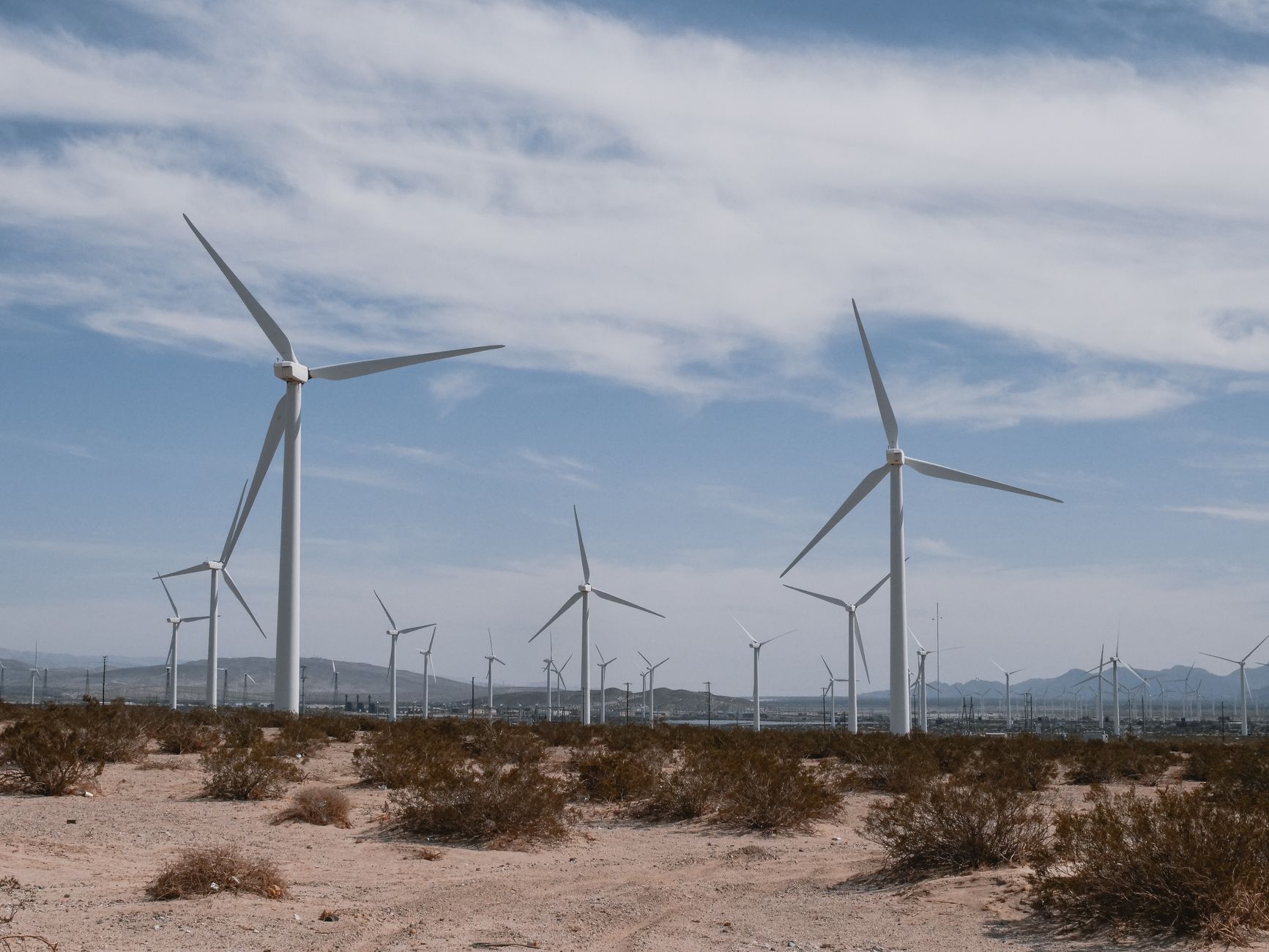
- Wind farm build-outs and balance of plant upgrades
- Battery energy storage and grid interconnections
- Power/utilities infrastructure enhancements
- Data centers, hospitals, industrial expansions, and mission-critical energy environments
In each, having specialized, safety-driven, and accountable professionals is essential. STSI can support single projects or entire renewable energy portfolios with scalable workforce solutions for every construction and commissioning challenge.
Best Practices for Assembling High-Impact Teams
- Start team planning at project scoping or earliest preconstruction phase
- Invest in cross-functional communication—clarify reporting lines and responsibilities
- Bring commissioning experts into planning discussions, not just field build
- Vet candidates for technical proficiency and compliance (not just project count)
- Standardize documentation and turnover packages for repeatable success
- Document lessons learned at every phase
Key Questions to Ask Before Finalizing Hires
- What specific construction and commissioning outcomes has the candidate delivered?
- Do they have experience on assets of comparable size or complexity?
- What is their approach to high-pressure schedule changes?
- Can they interface with utilities and manage detailed turnover deliverables?
- How have they strengthened safety on previous projects?
FAQ: Renewable Energy Project Team Building
What is the structure of a typical renewable energy construction team?
A typical team includes a project manager, construction manager, site superintendent, discipline engineers (electrical, civil, mechanical), QA/QC, commissioning manager, safety/hse manager, procurement and document control specialists. The team’s size and composition adjust as the project moves from early build to commissioning and handover.
Why is commissioning expertise important in renewable projects?
Commissioning is the verification process that transitions assets from built to operational. It tests all systems, ensures regulatory compliance, and confirms the asset’s readiness for utility interconnection, grid operation, and long-term performance. Without dedicated commissioning expertise, long project delays and increased operational risk are more likely.
Should I staff more roles as direct hire or through contract?
Critical leadership roles (project manager, lead engineers) are frequently direct hires to maintain continuity, whereas field-heavy, short-term, or phase-specific roles (commissioning, QA/QC, document controls) are often contract. Many businesses find that a blended model provides the flexibility needed to scale for demand while retaining vital expertise in-house.
How can I ensure safety compliance during renewable energy builds?
Ensure every candidate is screened for OSHA or relevant site safety credentials, include a dedicated safety manager, and work with workforce partners like STSI who have compliance-verified safety protocols (such as ISNetworld RAVS® Plus approval).
When should I begin building my project team?
Ideally, as soon as project scoping and funding are secured, and always before procurement and construction mobilization. Early hiring allows for proper team integration, reduces onboarding delays, and minimizes project startup risk.
How do I adapt my team as the project moves from construction to operations?
Transition field staff out as commissioning completes and bring in operational and maintenance experts. Prioritize knowledge transfer and organize a formal handover process to support consistent, safe asset operation.
Which skills are most in demand for renewable energy commissioning?
Electrical and controls engineering, commissioning test planning, document management, utility communication, and hands-on troubleshooting abilities are consistently sought after.
Conclusion: Build Your Renewable Project Team with Confidence
Constructing and commissioning renewable energy assets is a high-stakes, collaborative endeavor. Project outcomes depend on structuring the right team at the right time, with specialized disciplines, compliance focus, and reliable field execution all as essential building blocks. For leaders seeking trusted renewable energy staffing, STSI delivers more than resumes. We offer custom solutions, safety-driven processes, deep technical vetting, and nationwide reach to ensure your renewable project is delivered without compromise.
For a more in-depth analysis of modern team structures and how evolving skill requirements can impact energy hiring, you may also find this discussion on skills-based hiring in technical staffing valuable.
To start building your renewable project team or to discuss precision workforce solutions, connect with us at STSI.